212 vs 646 Area Code: Key Differences, Coverage, and Which One to Choose (2026)
Few area code rivalries carry as much cultural weight as 212 vs 646. Both ring the same place — Manhattan, New York City — yet one is treated as a status symbol and the other as its practical younger sibling. New businesses agonize over the choice, transplants wonder why their new line got 646 instead of 212, and call recipients quietly judge. So what is the actual difference?
The short version: there is no geographic difference at all. The real differences are history, prestige, and availability. Here is the complete breakdown.
212 vs 646 at a Glance
| 212 Area Code | 646 Area Code | |
|---|---|---|
| Region | Manhattan, New York City | Manhattan, New York City (identical) |
| Type | Original code (1947) | Overlay (1999) |
| Introduced | 1947, as one of the first 86 NANP codes | 1999, as an overlay on 212/646/917 |
| Boroughs | Manhattan only | Manhattan only |
| Companion codes | 646, 917, 332 (same territory) | 212, 917, 332 (same territory) |
| Time zone | Eastern (UTC-5 / UTC-4 DST) | Eastern (UTC-5 / UTC-4 DST) |
| Dialing | 1 + 10 digits (already in place) | 1 + 10 digits |
| Availability | Extremely scarce for new lines | Readily available |
Where Each Code Serves
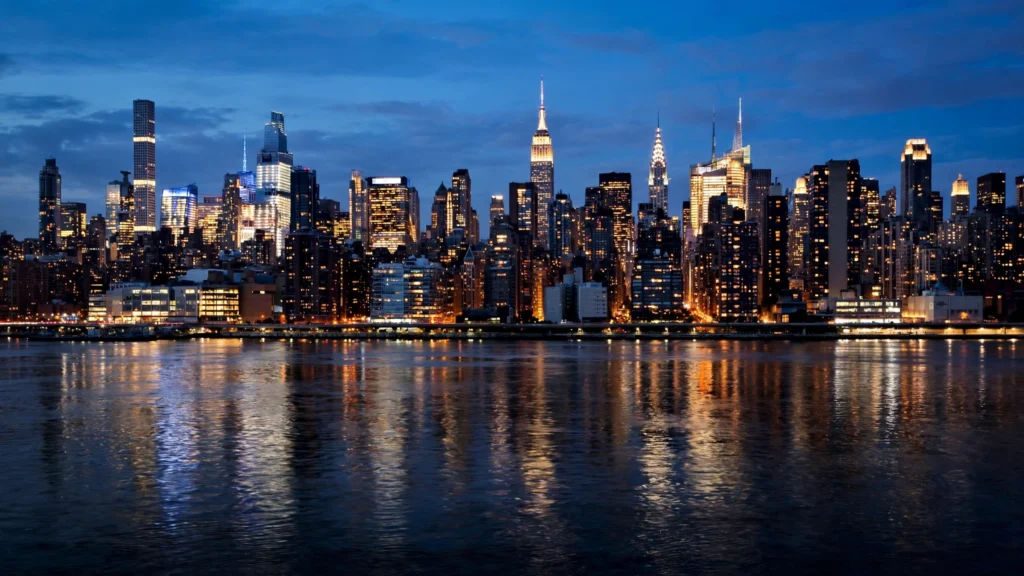
Here is the twist that surprises most people: 212 and 646 serve exactly the same place. Both cover the entire borough of Manhattan — from the Financial District and Tribeca at the southern tip, through Greenwich Village, Chelsea, Midtown, and the Upper East and Upper West Sides, up to Harlem, Washington Heights, and Inwood at the northern end.
The reason is the overlay system. Area code 212 was one of the original 86 area codes created in 1947, and it originally covered all five boroughs of New York City. In 1984, a geographic split moved Brooklyn, Queens, and Staten Island to the new 718, leaving 212 with Manhattan and the Bronx; the Bronx later moved fully to 718 as well, leaving 212 as Manhattan-only.
By the late 1990s, Manhattan was running out of 212 numbers — cell phones, pagers, fax lines, and the borough’s relentless density were devouring them. Instead of splitting Manhattan in half (which would have forced millions of people and businesses to change numbers), regulators added 646 as an overlay in 1999: a new code for the same geography, assigned only to new lines. Existing 212 numbers never changed. The overlay was later joined by 917 (a citywide overlay covering all five boroughs) and, on June 10, 2017, by 332, Manhattan’s newest overlay.
So when someone asks “where is the 646 area code,” the answer is the same sentence as for 212: Manhattan, New York City. A 646 number on a Midtown office and a 212 number in the same building are neighbors in every sense except the three digits.
Key Differences Between 212 and 646
History and prestige. This is the real difference. Area code 212 is the original New York City code, in service since 1947. On old rotary phones, 212 required the fewest dial pulses and was therefore the fastest code to dial — AT&T deliberately gave it to the biggest city. That history, plus decades of movies, music, and business lore, turned 212 into a status symbol: a signal that a person or company is an established New Yorker. Area code 646, born in 1999 as an administrative fix, carries no such mythology. It works identically, but it does not impress anyone at a dinner party.
Availability. Because 212 numbers have been issued since 1947, fresh 212 blocks are essentially exhausted. Getting a new 212 number in 2026 usually means buying one on the secondary market, porting an old line, or getting very lucky with a carrier’s recycled inventory. New 646 numbers, by contrast, are routinely available from carriers and VoIP providers. If you need a Manhattan number today, 646 is what you will most likely be offered.
Age signal. rightly or wrongly, New Yorkers read the code as a timestamp. A 212 number suggests a long-established line — someone who has been around. A 646 number suggests a line issued after 1999. A 332 number suggests 2017 or later. None of this reflects the actual age of the business, but in a city that trades on insider signals, the perception persists.
Nothing technical. To be completely clear: call quality, cost, coverage, texting, and routing are identical. A 646 call from Manhattan costs the same as a 212 call, reaches the same towers, and is equally “local.” The overlay guarantees it — the New York Public Service Commission has confirmed that price, coverage area, and what counts as a local call do not change between overlay codes.
Overlays and Dialing Rules
Manhattan is now a four-code overlay complex: 212, 646, 917, and 332 all serve the same borough. (Note that 917 also extends to the other four boroughs as a citywide overlay.) Because multiple codes share one territory, 1 + 10-digit dialing has long been required for Manhattan calls — this was already in place before 332 arrived in 2017, so nothing changed for existing customers when the newest code launched.
Practical dialing notes:
- Local Manhattan calls: dial 1 + area code + number. Even calling across the hall requires the full 11 digits on many carriers.
- Existing numbers never change when a new overlay is added — that is the entire point of the overlay approach.
- New lines may be assigned 646 or 332 (212 blocks are largely exhausted, and 917 assignments in Manhattan are limited).
- Time zone: all Manhattan codes are in the Eastern Time Zone (UTC-5 standard, UTC-4 daylight), observing daylight saving time.
Which Should You Choose?
Choose 212 if you can actually get one and the prestige matters to your brand. For finance, law, luxury real estate, media, and hospitality businesses trading on New York heritage, a 212 number is a genuine asset — clients notice. Expect to pay a premium or hunt through number brokers and carrier recycled pools.
Choose 646 if you need a Manhattan number now, without the hunt. For startups, remote businesses, freelancers, and anyone who just needs a working local line, 646 is the rational choice: same coverage, same cost, available today from any major VoIP provider. Most of your callers will never think twice about it.
Consider 332 as the middle path — it is Manhattan-only like 212 and 646, newer, and readily available. Some businesses prefer it precisely because it carries no timestamp baggage.
Do not choose based on geography. There is no uptown/downtown or east/west split between 212 and 646. Anyone telling you 646 is “less Manhattan” is selling you nostalgia, not telephony.
Scam Notes
Manhattan’s codes are among the most spoofed in the country, precisely because a 212 number commands trust. Common patterns include:
- Spoofed 212 calls pretending to be banks, law firms, or government offices — the prestige of the code is the bait.
- Wangiri (“one-ring”) callbacks from unfamiliar 646 or 332 numbers designed to get you to call back a premium-rate line.
- Fake landlord and rental scams using local Manhattan numbers to appear legitimate to apartment hunters.
Remember: the area code tells you nothing about the caller’s true identity. If a “bank” calls from a 212 number asking for account details, hang up and call the number on your card.
Frequently Asked Questions
What is the difference between 212 and 646 area codes?
There is no geographic difference — both serve Manhattan, New York City. Area code 212 is the original 1947 code and carries prestige and scarcity; 646 is a 1999 overlay for the same territory and is readily available for new lines.
Is 646 also Manhattan?
Yes. Area code 646 serves exactly the same area as 212: the entire borough of Manhattan. It was added as an overlay in 1999 when 212 numbers ran short.
Why is a 212 number considered prestigious?
Area code 212 is one of the original 1947 area codes and was assigned to New York City because it was the fastest to dial on rotary phones. Decades of cultural cachet plus genuine scarcity have made it a status symbol.
Can I still get a 212 number?
It is very difficult but not impossible. New 212 blocks are essentially exhausted; you would need to buy one on the secondary market, port an existing line, or find recycled inventory through a carrier. Most new Manhattan lines are issued with 646 or 332.
Do I need to dial 1 before a Manhattan number?
Yes. Because four area codes (212, 646, 917, 332) overlay Manhattan, 1 + 10-digit dialing is required for calls within the borough.
Conclusion
In the 212 vs 646 debate, the geography is a tie — both are Manhattan, full stop. The contest is really between history and practicality: 212 offers unmatched prestige and near-zero availability, while 646 offers the identical network with numbers you can actually get. Choose 212 if the brand signal is worth the hunt; choose 646 (or 332) if you just need Manhattan to ring. Either way, your callers will reach the same island.